




























Navigating RFID Implementation: How to Overcome Three Common Challenges
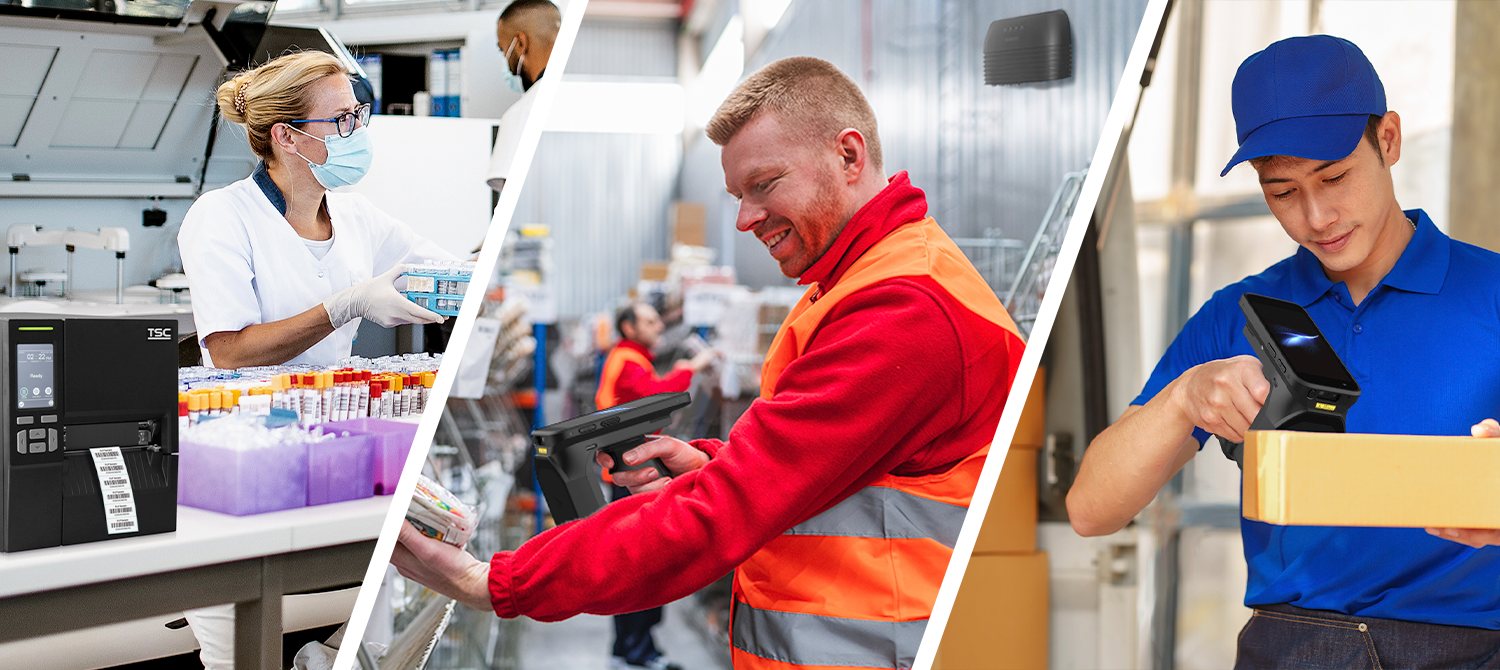
Did you know that many industries, including retail, healthcare, logistics, and manufacturing, are increasingly adopting RFID technology? The driving force behind this is their desire to streamline operations with automated data collection and real-time visibility.
The true potential of RFID lies in its ability to digitally identify assets and products in bulk and without line of sight—all in real-time. However, when implementing RFID, the lack of synergy between printers, fixed infrastructure, handheld readers, RFID labels, and legacy systems can lead to performance issues and undermine operational effectiveness. Below, we explore three common challenges you may encounter when adopting RFID and demonstrate how our advanced hardware solutions—including stationary printing, mobile data collection, and hands-free infrastructure—can help you overcome them.
Challenge 1 – Diverse Labels and Applications
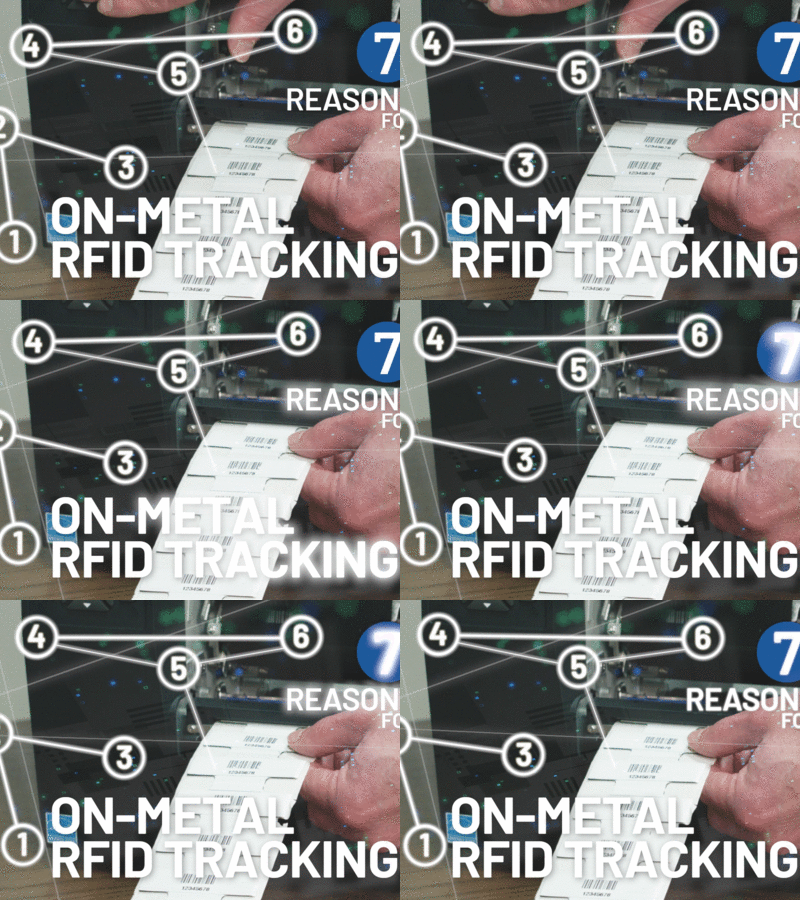
RFID labels and deployment environments are not a one-size-fits-all solution. For instance, hospitals commonly tag most high-value medical equipment with special “on-metal” labels, as metal casings interfere with RFID signals. Beyond printing, data collection spans multiple environments—from a warehouse dock door scanning a liquid-dense pallet to a retail worker auditing clothing racks. Solution providers and system integrators must accommodate varying tag constructions and physical constraints without burdening IT teams with fragmented hardware ecosystem management. IT teams require versatile printing and reading devices that play nicely with current media standards while effortlessly adapting to new configurations introduced down the road.
Tip: Deploy a unified ecosystem of printers, fixed portals, and mobile readers that support a wide range of label/tag constructions, maintaining adherence to industry standards (like GS1 and RAIN RFID) to keep pace with evolving application needs.
Challenge 2 – High-Speed Production and Error Prevention
Every second counts in a fast-paced industrial setting—such as production lines, logistics facilities, or sprawling warehouses. Printing delays, encoding errors, and slow manual scanning processes cause major bottlenecks and inflate operational costs. Manual tracking or repetitive rescans freeze throughput and heighten the risk of data omission. To optimize workflows, operations require a seamless, automated pipeline: high-speed, validated label production matched with continuous, automatic data capture at critical entry and exit points.
Tip: Take advantage of high-speed simultaneous printing and encoding alongside high-performance handheld and fixed-mount readers capable of capturing hundreds of tags per second. Ensuring data verification at both the creation phase (printing) and the execution phase (automated gate or mobile scanning) removes manual intervention and keeps inaccurate data from entering circulation.
Challenge 3 – Integration Barriers
Organizations require devices that deliver high performance yet can be integrated seamlessly with legacy Enterprise Resource Planning (ERP) or Warehouse Management Systems (WMS). Due to a frequent lack of in-house technical expertise and a heavy reliance on specialized software scripting, bridging the gap between new hardware and old architecture can become complex, protracted, and expensive.
Tip: Look for field devices equipped with flexible Software Development Kits (SDKs), standard operating systems (like enterprise-grade Android or robust Linux), and universal communication protocols that expedite provisioning, lower IT overhead, and facilitate fast deployment.
Overcoming the Hurdles: Hardware Comparison
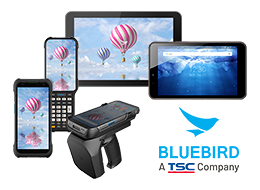
The charts below illustrate how our latest hardware solutions—including the newly added Bluebird S10 RFID handheld mobile computer and Bluebird FR901 Fixed Reader alongside our premier RFID printers—can help you conquer these challenges:
Printer options:
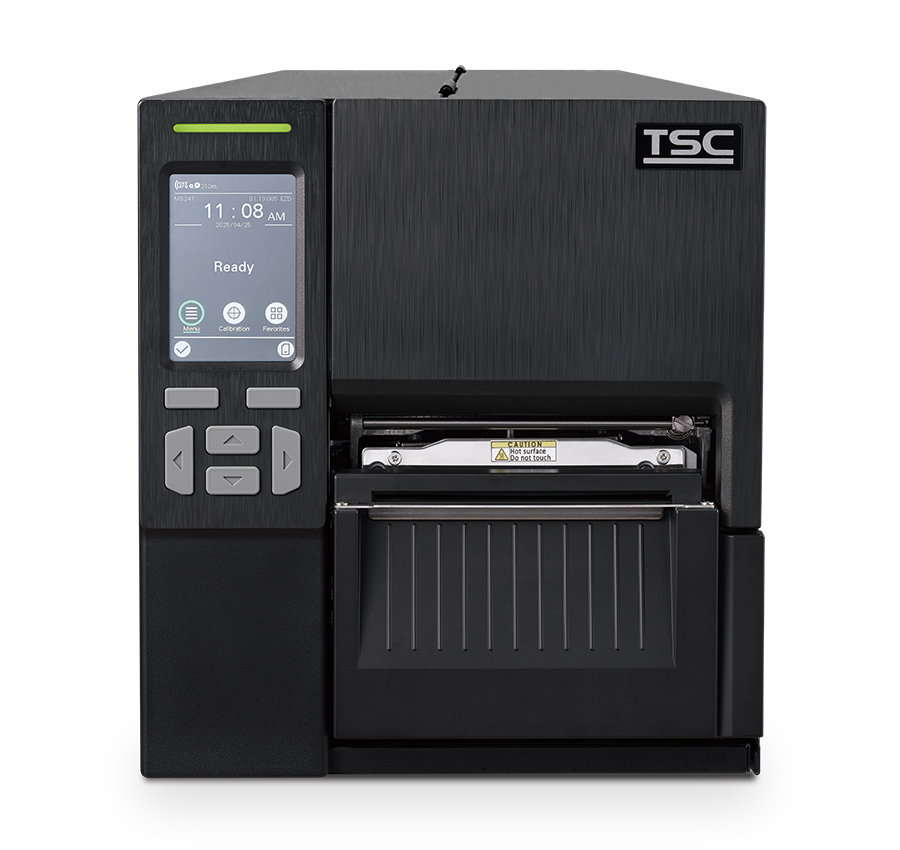 | 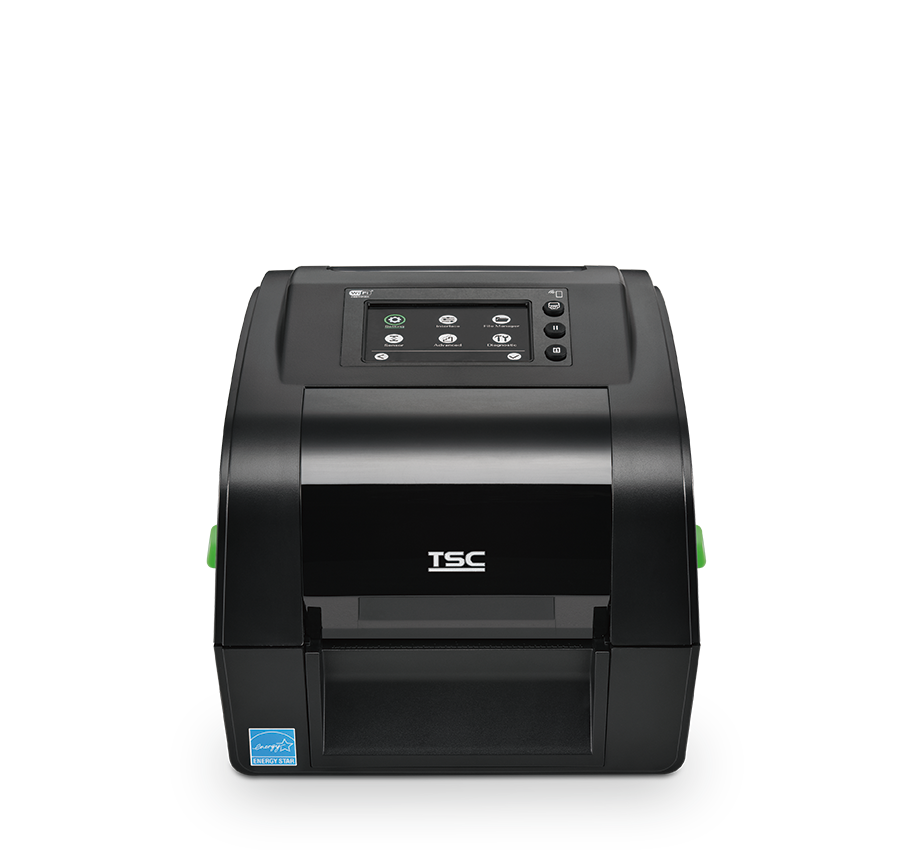 | |
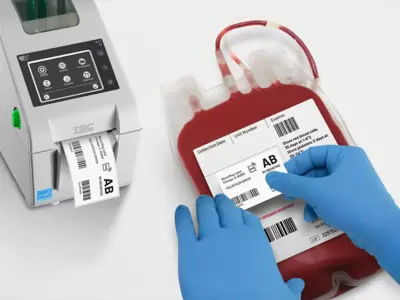
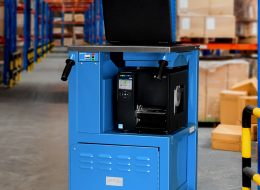
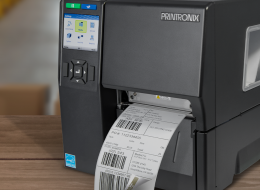
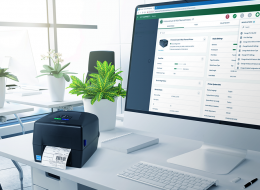
| Key Challenges | MB RFID Series Industrial Label Printer Ideal for higher-volume printing operations and applications requiring highly specialized label types (e.g., thick on-metal tags). | TH RFID Series 4-Inch Desktop Label Printer Ideal for lower-volume, diverse localized label printing where desktop space is at a premium. |
| Diverse Labels & Applications |
|
|
| High-Speed Production & Error Prevention |
|
|
| Integration Barriers |
|
|
RFID readers options:
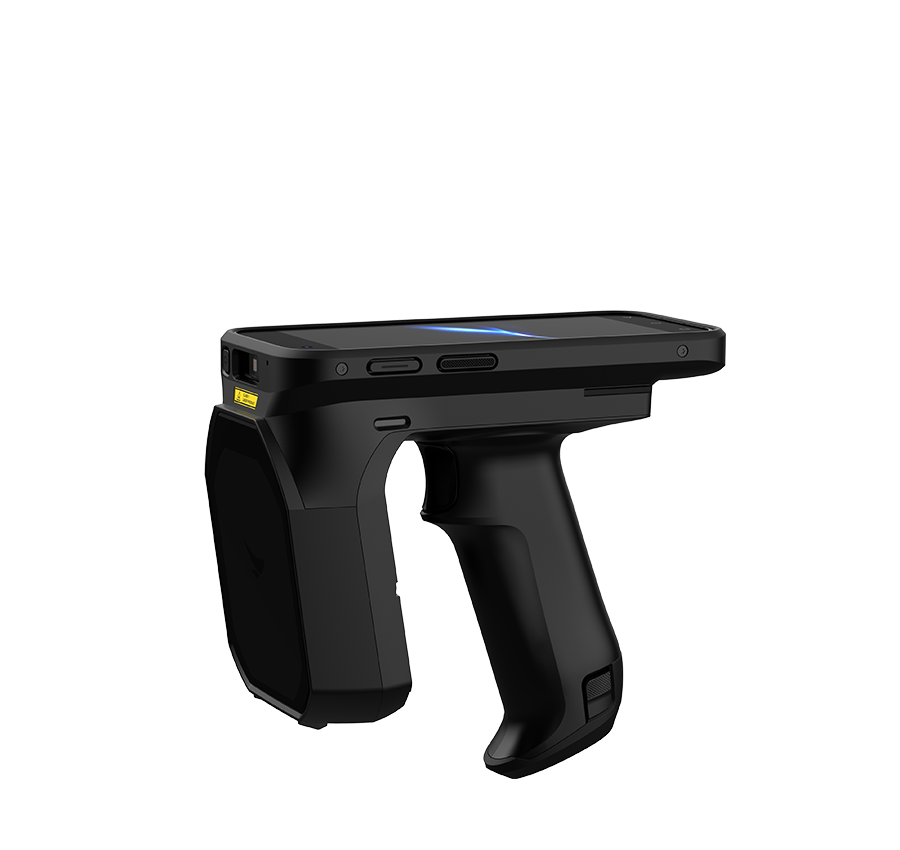 | 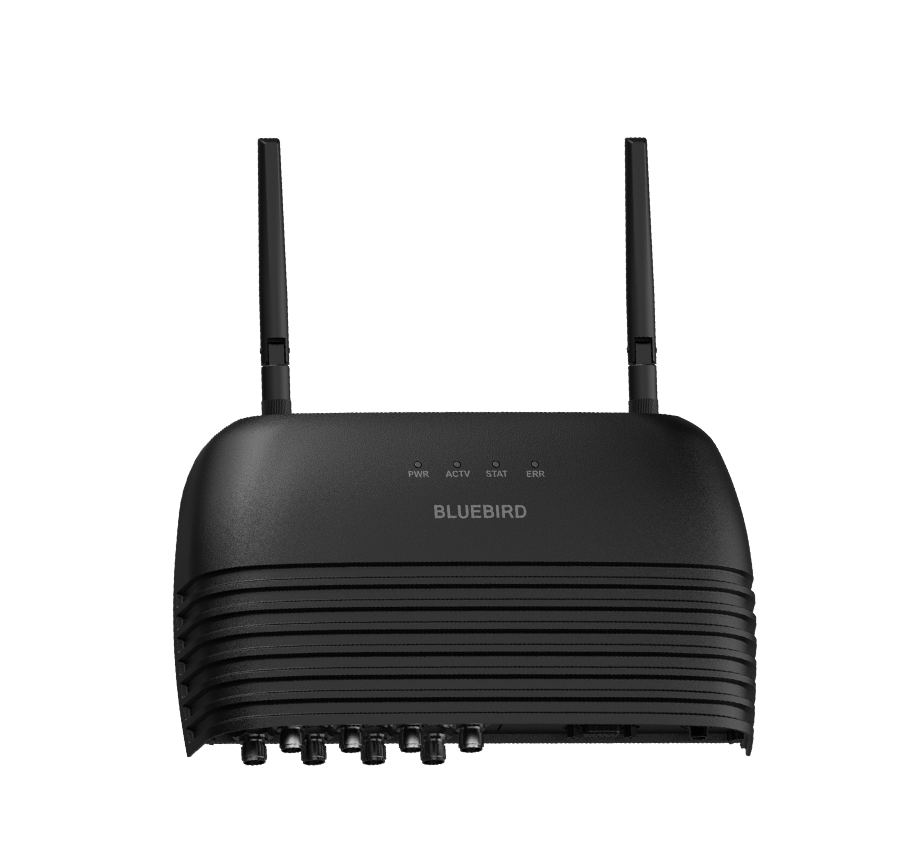 | |
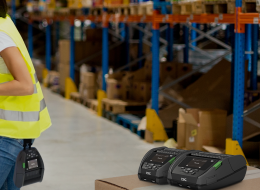
| Key Challenges | Bluebird S10 RFID Handheld Mobile Device Ideal for data-driven mobility, on-the-floor inventory management, asset tracking, and real-time logistics mapping where personnel need rugged, all-day contactless data capture. | Bluebird FR901 Fixed RFID Reader Ideal for fully automated, 24/7 hands-free tracking at transit choke points, warehouse dock doors, manufacturing conveyers, or automated retail loss prevention gates. |
| Diverse Labels & Applications |
|
|
| High-Speed Production & Error Prevention |
|
|
| Integration Barriers |
|
|
Please contact your local representative to learn more about completing your deployment ecosystem, or visit our website to explore our comprehensive lineup of RFID hardware solutions.