





























RFID
Automotive
1429
/en/blog/automotive
Barcode Inspection
418
/en/blog/barcode-inspection
Cannabis
1430
/en/blog/cannabis
Company News
415
/en/taxonomy/term/415
Cybersecurity
1463
/en/blog/cybersecurity
Events and Tradeshows
1421
/en/blog/events-and-tradeshows
Food & Beverage
1426
/en/blog/food-beverage
Healthcare
1425
/en/blog/healthcare
High Resolution
414
/en/blog/high-resolution
Industry Trends
1419
/en/blog/industry-trends
Manufacturing
1424
/en/blog/manufacturing
Mobile Printing
1420
/en/blog/mobile-printing
Partner Perspectives
1460
/en/blog/partner-perspectives
Remote Printer Management
1432
/en/blog/remote-printer-management
Retail
1423
/en/blog/retail
RFID
416
/en/blog/rfid
Software Solutions
1433
/en/blog/software-solutions
Standalone
419
/en/blog/standalone
Supplies
417
/en/taxonomy/term/417
Supply Chain
1461
/en/blog/supply-chain
Tips & Best Practices
1431
/en/blog/tips-best-practices
Transportation & Logistics
1422
/en/blog/transportation-logistics
Warehouse & Fulfillment
1427
/en/blog/warehouse-fulfillment

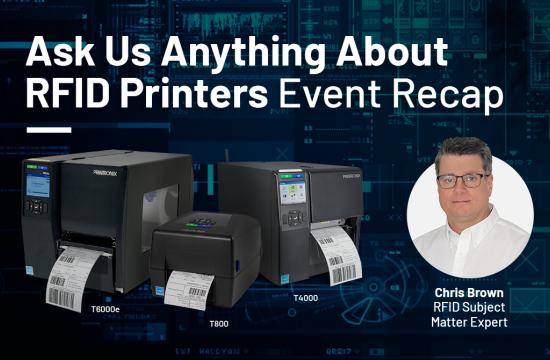
Recently our experts presented insights on relevant industry topics at the AIM and RAIN RFID Alliance Engage Again virtual conference that took place on September 8-9.

The cannabis industry is a highly regulated market that deals in high-value items that include cannabis plants, by-products, finished products, and shipping units.

RFID tag usage in the nongrocery retail sector has become very prominent, with 93 percent of North American retailers adopting RFID at varying stages as RFID delivers a great ROI and supports loss pre

Law enforcement and police departments have typically used evidence or property rooms to store valuable evidence collected from the field. Unfortunately, individual pieces of evidence can easily be lost, damaged, tampered with, or simply disappear.
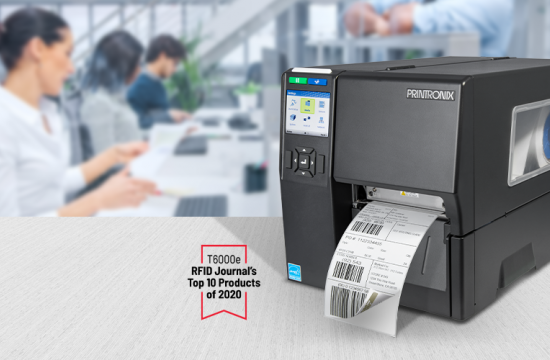
Service Bureas, sometimes called Bureau Services in other regions, can offer their customers properly printed and encoded RFID tags so end users can focus on their core business, instead of on RFID.

Join Us at the RAIN RFID Tyre Expo Sept. 8-9, 2021
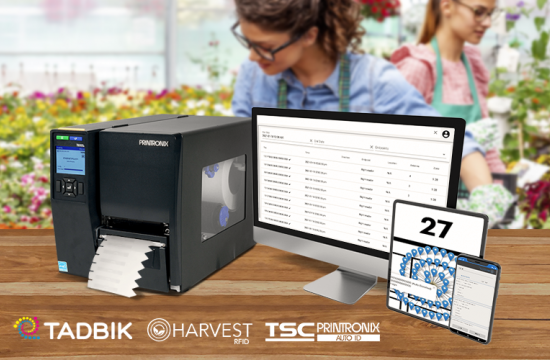
The horticulture industry’s challenge is clear: Finding a specific plant or inventorying thousands of plants in vast nurseries is extremely difficult.

RAIN RFID tags can create challenges if the tag data are not properly formatted during the encoding process. The problems occur because many people approach RAIN RFID tags/labels as though they have blank memory that simply requires encoding it with a unique serial number.
Learn About the Top 3 Benefits of Our Printer’s Ability to Encode Various Inlay Placements with Ease
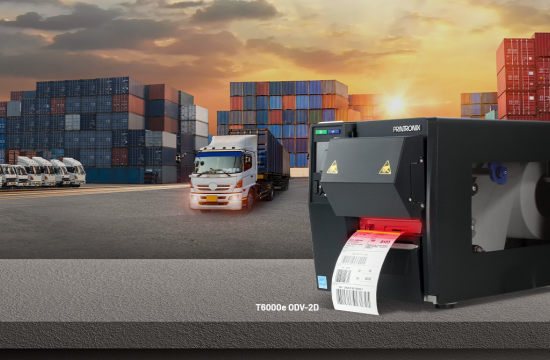
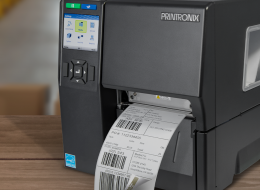
In March, we upgraded our award-winning Printronix Auto ID T6000e enterprise industrial printer adding integrated RFID and barcode inspection capabilities.